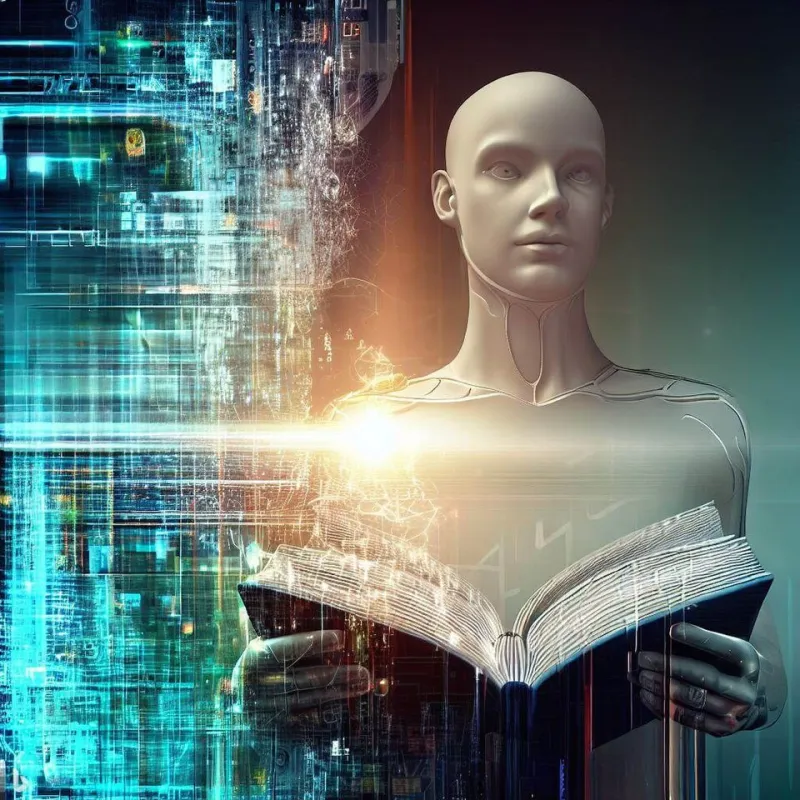
Beautiful Breakdowns: How Corrupted Data Became the Art World's Hottest Medium
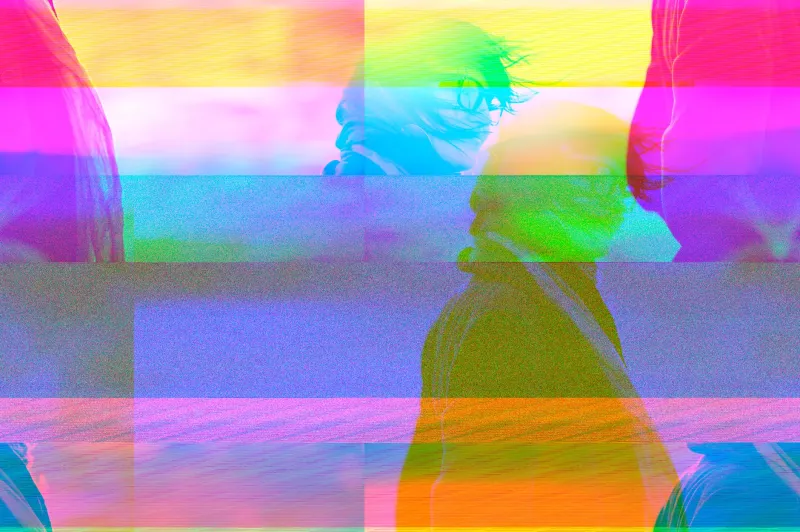
There's something deeply weird about finding beauty in a broken thing. A cracked phone screen, a TV stuck on static, a JPEG so compressed it looks like a mosaic of neon fever dreams — none of these were supposed to be pretty. And yet, somewhere between the dial-up era and the metaverse gold rush, a whole generation of artists decided that the glitch wasn't the problem. The glitch was the point.
Welcome to glitch art — one of the most genuinely strange, philosophically loaded, and visually arresting movements to come out of digital culture. And trust us, it's a lot more interesting than accidentally corrupting your homework file in 2003.
From Accident to Intention
The roots of glitch culture aren't exactly glamorous. Early digital artists and video experimenters in the '60s and '70s started noticing that when equipment malfunctioned — when a video synthesizer hiccupped or magnetic tape got physically manipulated — the results were often more visually compelling than anything produced intentionally. Nam June Paik, the Korean-American video art pioneer, was literally distorting television signals with magnets back in the '60s. He wasn't fixing the malfunction. He was the malfunction.
Fast-forward to the personal computer era, and a new wave of artists started deliberately corrupting image files, bending data structures, and exploiting software bugs to generate imagery that looked like your operating system was having an existential crisis. Databending — the practice of opening a non-audio file in audio editing software and then re-exporting it — became a low-fi, accessible entry point for anyone with a laptop and a taste for controlled chaos.
By the early 2000s, glitch had its own online communities, its own aesthetic vocabulary, and a growing argument that it deserved serious critical attention. That argument has pretty much been won at this point.
The Sound of Something Breaking
Here's what a lot of people miss about glitch art: it's not just visual. Sonic glitch — sometimes called glitch music or microsound — has been a legitimate genre since at least the mid-'90s, with artists like Oval, Autechre, and Ryoji Ikeda building entire careers around the musicality of digital errors. Think skipping CDs, corrupted audio streams, and the rhythmic stutters of buffer lag turned into something that actually makes you feel things.
Contemporary artists working in this space talk about the glitch as a kind of honesty. "When a system breaks," one Brooklyn-based sound artist explained in a recent interview, "it stops performing for you. You get to see — or hear — what it actually is underneath. There's something really liberating about that."
That idea — the glitch as a truth-telling moment — keeps coming up in conversations with people working in this field. It's not just aesthetics. It's almost philosophical.
Why Broken Images Hit Different Right Now
So why is glitch art having such a massive cultural moment? Part of it is timing. We're living through an era of aggressive digital polish — algorithmically optimized social feeds, AI-generated imagery that looks almost too perfect, virtual worlds engineered for maximum immersion. Everything is trying very hard to look seamless.
Glitch art is the rejection of that seamlessness. It's the visual equivalent of a shrug at the idea that technology should be invisible. Instead, it puts the machinery right in your face — the pixels, the artifacts, the compression errors — and says, look at this. This is what's actually happening behind the curtain.
For audiences who've grown up watching their cultural experiences increasingly mediated by screens, there's something that registers almost like relief in seeing those screens admit their own imperfection. The fragmented, corrupted aesthetic feels real in a way that hyper-rendered digital environments often don't.
There's also a nostalgia angle that's impossible to ignore. For a huge chunk of the US audience engaging with glitch art right now, those pixelated textures and distorted color palettes are deeply tied to childhood memories — early video games, VHS rentals from Blockbuster, the particular way a Nintendo cartridge looked when it needed to be blown on. Glitch art hijacks that nostalgia and does something weird and new with it.
Glitch Hits the Gallery (and the NFT Market)
For a long time, glitch art existed primarily online — on Tumblr, in niche forums, at underground media art festivals. But the past decade has seen it migrate into more traditional gallery contexts, and the results have been genuinely interesting. Artists like Rosa Menkman, whose theoretical writing on glitch aesthetics is basically required reading in certain digital art circles, have pushed the conversation far beyond "cool broken visuals" into territory that engages with media archaeology, systems theory, and the politics of technological failure.
The NFT boom of the early 2020s gave glitch artists a whole new platform — and a whole new set of complications. On one hand, the blockchain space was surprisingly receptive to experimental digital work that didn't fit traditional gallery formats. On the other hand, the commercialization of glitch aesthetics raised real questions about whether work that's fundamentally about system critique loses something when it becomes a high-value collectible.
Those tensions are still very much alive. But they've also pushed glitch artists to get more intentional, more articulate about what they're doing and why.
Making Your Own Broken Beauty
One of the genuinely democratic things about glitch art is how accessible the tools are. You don't need an MFA or a $3,000 software suite. You need curiosity and a willingness to break things on purpose.
Databending with free audio software like Audacity is a classic starting point. Hex editing image files, manipulating video signals, or even just aggressively over-compressing images can produce results that feel genuinely surprising. There are entire online communities — on Discord, Reddit, and dedicated forums — where people share techniques, critique each other's work, and push the aesthetic in new directions.
The barrier to entry is low. The ceiling, it turns out, is pretty much nonexistent.
The Error Is the Message
Glitch art has always been about more than aesthetics, even when it looks like it's just about aesthetics. At its best, it's a running commentary on our relationship with technology — the way we expect it to be invisible, the way we're unsettled when it isn't, and the strange beauty that lives in the gap between what a system is supposed to do and what it actually does.
In a cultural moment defined by AI-generated perfection and endlessly optimized digital experiences, there's something almost radical about celebrating the breakdown. The glitch reminds us that all of this — the screens, the algorithms, the virtual worlds — is constructed. It's made by people, running on hardware, and it can fail.
And sometimes, when it fails just right, it makes something genuinely stunning.
That's the thing about beautiful breakdowns. You can't really plan them. You just have to be paying attention when they happen.